Rabbit care
Rabbits & Ammonia Odour: Why the Right Litter Box and Litter Really Matter
Rabbits are famously clean animals — which is exactly why they are so sensitive to bad smells. One of the most common and most problematic odours in rabbit keeping is ammonia, the sharp gas released as urine breaks down. What smells merely unpleasant to us can quickly become a real strain on a rabbit's airways, skin and overall wellbeing. The good news: with the right litter tray and the right litter, ammonia largely stops being an issue.
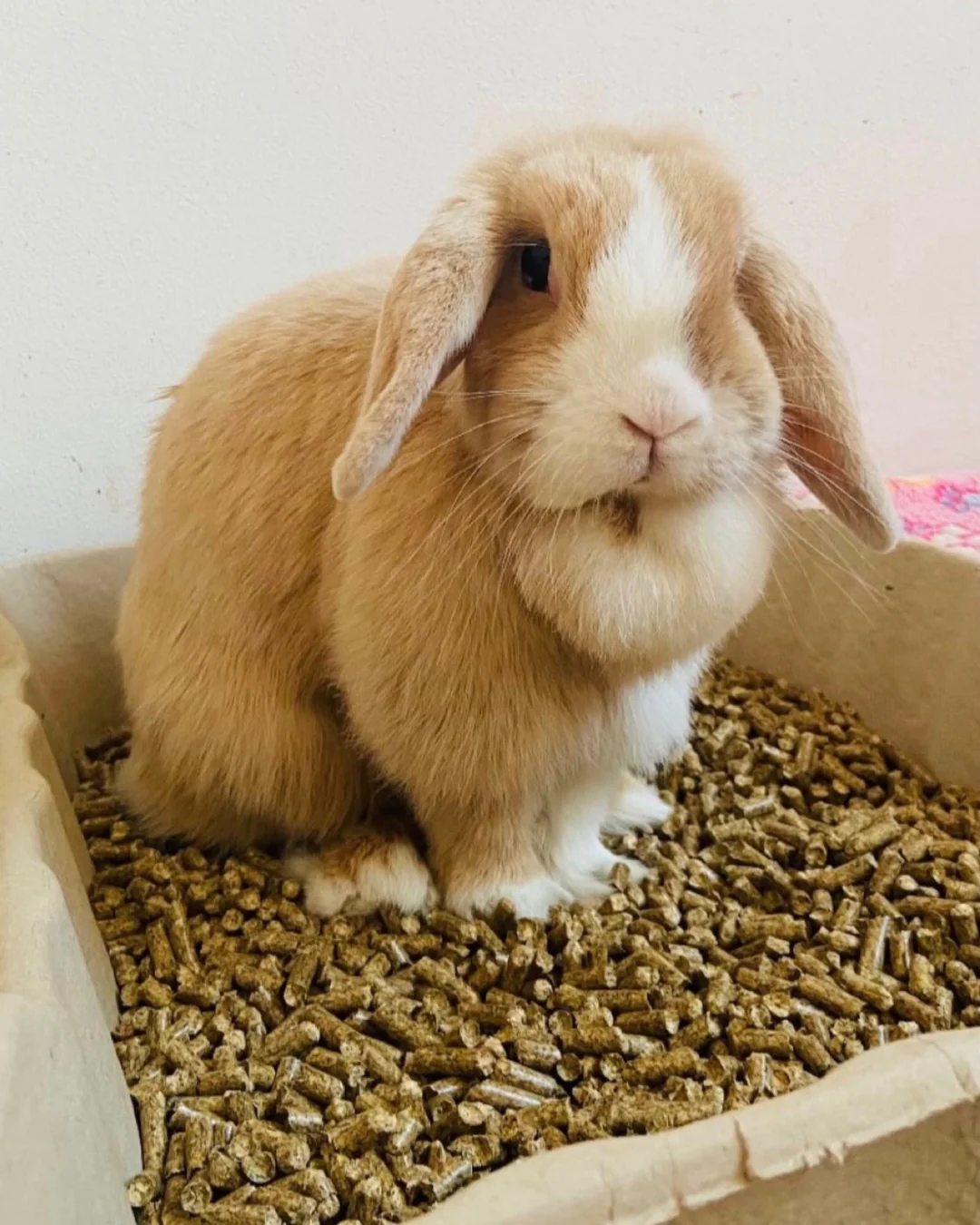
"Ammonia in a rabbit hutch is not inevitable — it is almost always a signal that the tray or the litter is fighting against you, not with you."
Why ammonia is such a problem for rabbits
Ammonia forms when urine is not fully absorbed and sits in contact with air, warmth and bacteria. Rabbits spend a huge share of their day sitting in or right beside their toilet area, so their nose, eyes and paws are exposed to whatever the tray gives off. Chronic exposure to ammonia irritates the respiratory tract, raises the risk of snuffles-type infections, and can leave sensitive paws sore.
Classic plastic trays and unsuitable litters tend to make the problem worse rather than better. Plastic absorbs nothing, holds moisture in a shallow puddle, scratches over time, and demands aggressive cleaners that leave their own residue. For an animal that is already close to the surface, that combination is far from ideal.
The role of the right litter box
An open, generously sized tray lets urine spread evenly instead of pooling in one corner. Paper-pulp trays have a real advantage here: the natural fibres carry a mildly acidic pH that neutralises ammonia on contact, without any perfumes or chemistry. The tray itself does part of the job that plastic simply cannot do.
Moulded fibre also absorbs its share of moisture, so the urine layer never gets a chance to sit and ferment. Combined with high sides that keep bedding contained, the hutch stays visibly and noticeably fresher between changes.
The role of the right litter
Litter matters just as much as the tray. Dusty or heavily perfumed products can irritate a rabbit's airways and tend to mask smells rather than actually bind them. Dust-free natural litters — wood pellets or paper-based products — soak up moisture reliably and support odour neutralisation instead of adding to it.
Paired with an absorbent paper-pulp tray, a natural litter creates a hygienic system that prevents smells from forming in the first place, rather than trying to cover them up after the fact.
Benefits for health and daily routine
Less ammonia in the air means less irritation of mucous membranes, a lower risk of respiratory issues, and a cleaner environment for sensitive rabbit paws. That is the health argument, and for a small animal it is a big one.
The daily routine benefit is almost as important. Instead of scrubbing a plastic tray with strong detergents, the whole tray is simply lifted out and disposed of with the household waste or home compost when it is due. No chemicals, no soaked plastic, no lingering smell in the utility room.
A sustainable combination that helps the animal and the planet
A paper-pulp tray plus a natural litter — the setup EcoPetBox is designed around — combines all of these advantages: better odour control, better animal welfare, and less environmental impact. Because both the tray and the litter are biodegradable, there is no permanent plastic waste in the story, and disposal stays simple.
For anyone keeping one rabbit or a whole group, this is a straightforward way to make the enclosure kinder to the animals and easier to look after — without adding cost per change compared with a plastic tray that still needs cleaning products every week.
Paper-pulp tray vs plastic tray for rabbits
The material of the tray is one of the biggest levers on hutch odour. Here is how a moulded paper-pulp tray compares with a classic plastic one in a rabbit setup.
| Aspect | Paper-pulp tray (EcoPetBox) | Plastic tray |
|---|---|---|
| Ammonia handling | Naturally neutralised by mildly acidic paper fibres | Sits on the surface until it evaporates |
| Moisture control | Tray absorbs part of the urine layer | Zero absorption — pools stay wet |
| Cleaning | Lift out and dispose — no scrubbing | Weekly scrubbing with aggressive cleaners |
| Chemical residue | None — no detergents in contact with the rabbit | Cleaner residue often remains on the surface |
| End of life | Biodegrades in household waste or home compost | Landfill plastic for centuries |
How to keep ammonia out of a rabbit hutch
- Use an open, generously sized tray so urine can spread evenly
- Choose a paper-pulp tray — the fibres neutralise ammonia naturally
- Pair it with a dust-free natural litter (wood pellets or paper)
- Avoid heavily perfumed litters that only mask the smell
- Change the whole tray on a fixed rhythm — no scrubbing, no chemicals
- Dispose of the used tray with household waste or home compost
Frequently asked questions
Why does my rabbit hutch smell so strongly of ammonia?
Ammonia builds up when urine is not properly absorbed and sits in contact with air and bacteria. Plastic trays and dusty or perfumed litters make this worse; an absorbent paper-pulp tray with a natural litter helps stop ammonia from forming in the first place.
Is ammonia really dangerous for rabbits?
Long-term exposure to ammonia irritates rabbits' airways and eyes and increases the risk of respiratory illness such as snuffles. Because rabbits sit close to their toilet, they are more exposed than most other pets.
Can I use an EcoPetBox tray for a rabbit?
Yes. The tray is made from moulded recycled paper pulp with high sides, which suits rabbits well. Pair it with a dust-free natural litter such as wood pellets or a paper-based product.
Do I still need to clean the tray?
No scrubbing is needed. When the tray is due for a change, simply lift it out and dispose of it with household waste or home compost, then place a fresh one in the hutch.
Do perfumed litters solve the smell?
They mask it rather than neutralise it, and the added fragrance can irritate a rabbit's airways. A dust-free, unscented natural litter combined with an absorbent tray is a much better solution.
Related articles
 Related articles
Not ready to enquire yet? These may answer your question first.
October 12, 2026
Bags for the cat litter box: which type fits — and when you need none
Read the full article: Bags for the cat litter box: which type fits — and when you need noneSeptember 4, 2026
Square by design: why EcoPetBox pet bowls aren't round
Read the full article: Square by design: why EcoPetBox pet bowls aren't roundAugust 17, 2026
Litter box liners: do they work — and what works better?
Read the full article: Litter box liners: do they work — and what works better?Try the tray that keeps rabbit hutches fresh
The same moulded paper-pulp tray that hundreds of thousands of cat owners already use is a natural fit for rabbits — absorbent, low-odour and fully biodegradable.