
Cat care & lifestyle
Best cat breeds for small flats and apartments
Not every cat is built for a 45-square-metre flat. Some breeds are quiet, cuddly and happy on a windowsill for hours. Others are athletic, vocal and need a two-storey house with a garden to stay sane. If you live in a small flat or apartment — especially a UK conversion or new-build with neighbours through a shared wall — choosing the right breed makes the difference between a peaceful home and a very stressed cat. This guide covers the breeds that consistently thrive in small spaces, what to look for in a flat cat, and the litter tray setup that keeps a one-bed flat clean, odour-free and comfortable for both of you.
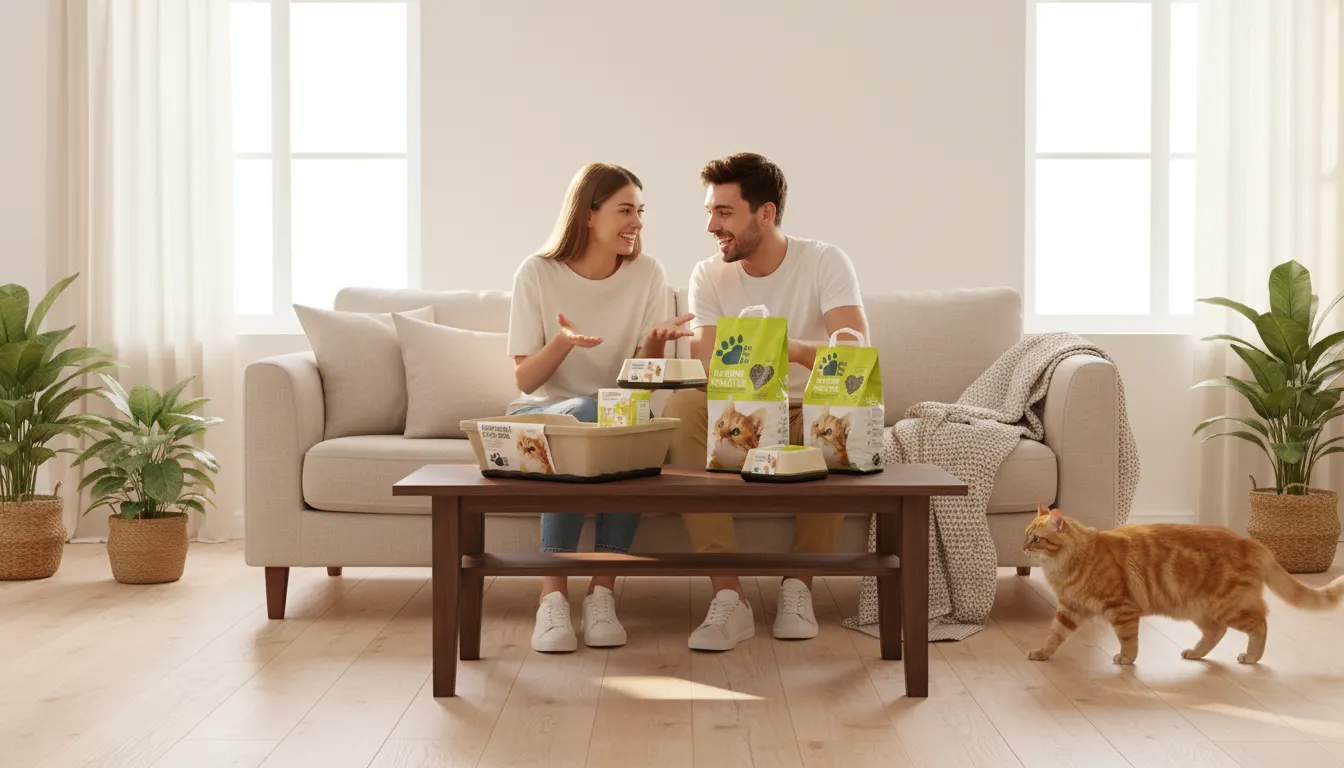
"A good apartment cat is quiet, cuddly and easily entertained. Your job is to give them vertical space, routine, and a litter setup that keeps a small home genuinely liveable."
What makes a cat suited to apartment life?
Apartment cats need three things: a calm temperament, moderate energy, and low reactivity to noise. Breeds that scream at 6 a.m., pace the hallway all night or panic at the sound of the lift are exhausting in a small space. The best apartment cats are affectionate but self-sufficient, sleep long stretches, and are content with vertical territory — cat trees, shelves, and window perches — instead of horizontal running room.
Coat length matters less than most people think; both short and long-haired breeds do fine indoors. What matters more is grooming needs, shedding volume in a small room where fur lands on everything, and whether the breed tolerates being alone during a working day.
The top breeds for apartment living
British Shorthair — the classic apartment cat. Calm, quiet, undemanding, and happy to spend the day on a favourite chair. Moderate shedding, easy grooming, tolerant of being alone. If a landlord asked you to pick one breed for a flat, this would be it.
Ragdoll — large but famously placid. Ragdolls follow you room to room, sleep on your lap, and rarely vocalise. They need companionship, so they suit people who work from home or have a second cat. Long coat needs brushing twice a week.
Russian Blue — quiet, elegant, and reserved. Bonds tightly with one or two people, tolerates apartment life well, and produces less of the Fel d 1 protein that triggers many cat allergies — a real advantage in a small shared space.
Scottish Fold — gentle, quiet and affectionate. Adapts well to routine and stays calm around visitors and noise. Choose ethically bred lines given the breed's known cartilage concerns and speak to your vet.
Persian — the ultimate low-energy lap cat. Persians sleep more than most breeds, dislike commotion, and are content with a quiet flat. Grooming is a real daily commitment; the coat mats fast if you skip a day.
Burmese and Birman — playful but people-oriented, and much quieter than their Siamese cousins. Both adapt well to apartments as long as they get attention and a climbing setup.
Domestic shorthair from a shelter — do not overlook the mixed-breed rescue cat. An adult shelter cat's personality is already known; shelter staff can point you to the calm, cuddly, apartment-suited animals whose temperament is proven, not predicted from a breed table.
Breeds to think twice about in a small flat
Bengal, Savannah and Abyssinian cats are stunning, athletic and clever — and often miserable in small apartments. They need enrichment, height, and often a garden or catio. In a one-bedroom flat, boredom turns into shredded curtains, 4 a.m. sprints and loud vocalising through thin walls.
Siamese and Oriental Shorthairs are famously vocal. They form deep bonds and dislike being left alone; in a flat with a full-time office job, they can become anxious and loud enough to strain relations with neighbours. They are wonderful cats — just not for every apartment.
Maine Coons are gentle giants and can adapt to flats, but their size means they need proportionally larger everything: taller trees, wider litter boxes, more floor space. Doable in a spacious two-bedroom; harder in a studio.
How to set up an apartment for a cat
Build up, not out. Cats measure territory vertically. A tall cat tree by a window, two or three wall shelves at climbing height, and a cardboard scratcher near the sofa turn a small flat into a rich environment. A bored cat is a loud, destructive cat; an enriched cat sleeps through the afternoon.
Give them a window. A sunlit sill with a view of birds or a busy street is entertainment cats never tire of. If your window opens, install cat-safe mesh — falls from apartment windows are one of the most common feline injuries in cities.
Keep a predictable routine. Feed at the same times, play at the same times, and go to bed at the same time. Cats regulate their whole day around yours; erratic humans make anxious cats, and anxious cats in a flat are audible through walls.
The litter tray: the single biggest small-flat problem
In a small flat, a litter box is never far from your sofa. Odour, dust and mess become quality-of-life issues in ways they simply are not in a house with a utility room. The tray choice, the litter choice and the replacement schedule all matter more than they would elsewhere.
Plastic tubs absorb ammonia into scratches and micro-cracks. In a large house you notice it after a year; in a 50-square-metre flat you smell it the day you walk in. Fine, unscented, low-dust litter matters for humans as much as cats — a dusty clumping litter coats every surface in a studio.
This is where a disposable moulded-fibre tray like EcoPetBox earns its place. You replace the entire tray on a schedule, so the surface starts from zero every one to two weeks. No trapped odour in the base, no chemical fragrance masking it, and the used tray goes into household waste or home compost — it is not recycled with paper because it is contaminated. In a flat, that reset is the difference between a home that smells lived-in and a home that smells like a cattery.
Cats in UK flats: rentals, shared walls and nowhere to put the tray
UK flats add their own constraints. Victorian conversions have small bathrooms and no utility room, so the litter tray usually ends up in the bathroom, the hallway or a kitchen corner — within a few metres of where you cook and sleep. New-builds are better insulated but tighter still, and most tenancy agreements make you responsible for any lingering odour or staining when you hand the keys back.
If you rent, two things matter more than breed choice: no permanent damage, and no smell that survives a check-out inspection. A plastic tub scrubbed with detergent leaves ammonia in the micro-scratches and a damp patch on the floor beneath it. Replacing the whole tray on a schedule keeps the surface at zero and means nothing porous sits in the same spot for two years.
In UK terms, a disposable litter tray is simply a moulded plant-fibre tray you use for one to two weeks and then dispose of — general household waste or a home compost heap, never the paper recycling, because it is contaminated. EcoPetBox trays come three to a pack (RRP €14.59) and are sold on Amazon UK, so a flat in London, Manchester or Glasgow can order them the same way as anything else.
One cat or two in an apartment?
Two cats in a flat sounds like more mess and more noise, but it is often calmer than one. A companion covers the long working-day hours, halves the demand for human attention in the evening, and gives high-energy breeds a play partner instead of chasing your ankles. The classic rule — one litter box per cat, plus one — still applies; in a two-cat flat that means three boxes across at least two rooms, which is where disposable trays with small footprints help.
Introduce slowly, ideally two calm adults from the same shelter rather than two kittens who both want the same window. Two adult cats already known to get on are the least stressful choice in a small home.
Apartment-cat checklist
- Choose a calm, quiet breed — or a shelter cat with a proven mellow temperament
- Build vertical territory: cat tree, shelves, window perch
- Install cat-safe mesh on any window that opens
- Feed and play on a predictable daily routine
- Use fine, unscented, low-dust litter
- Replace the tray itself on a schedule — do not keep scrubbing plastic
- One litter box per cat, plus one, spread across rooms
- Consider two cats if you work long hours away from home
Frequently asked questions
What is the quietest cat breed for an apartment?
British Shorthairs, Russian Blues, Persians and Ragdolls are among the quietest breeds. Most rarely vocalise beyond a soft chirp for food. Avoid Siamese and Oriental Shorthairs if noise through shared walls is a concern.
Can a cat be happy in a small flat?
Yes — cats need vertical territory and routine far more than floor area. A well-set-up 40-square-metre flat with cat trees, shelves and a window perch is often better for a cat than a large house with no climbing space and an owner who is out for twelve hours a day.
How do I keep an apartment odour-free with a cat?
Use fine, unscented, low-dust litter, scoop at least once a day, and replace the tray itself on a schedule — a disposable moulded-fibre tray like EcoPetBox resets the odour environment every one to two weeks. Dispose of used trays in household waste or home compost, not the paper recycling.
Read the full articleShould I get one cat or two in a small flat?
Two calm adult cats who already get on are often easier than a single cat left alone during a working day. Give them one litter tray per cat, plus one, spread across rooms. Two active kittens in a small flat can be overwhelming.
Read the full articleAre Maine Coons suitable for flats?
They can be, but they need proportionally larger everything — a taller cat tree, wider litter trays, more floor space. A spacious two-bedroom flat works; a studio is a stretch.
Read the full articleWhat is the best cat litter setup for a small flat in the UK?
Fine, unscented, low-dust plant litter in a disposable moulded-fibre tray, scooped daily and replaced whole every one to two weeks. In a UK flat the tray usually sits in the bathroom or a kitchen corner, so a full reset beats scrubbing a plastic tub in the same shower you use. EcoPetBox trays are sold three to a pack on Amazon UK.
Read the full articleCan I keep a cat in a rented flat without damage or odour?
Yes, if nothing porous stays in one spot. Replace the tray itself rather than washing plastic, keep it off carpet and away from skirting, and dispose of used trays in general household waste or home compost — not the paper recycling. That leaves no ammonia residue for a check-out inspection.
Read the full articleRelated articles
 Related articles
Not ready to enquire yet? These may answer your question first.
June 30, 2026

The Best Disposable Cat Litter Box for Travel
Read the full article: The Best Disposable Cat Litter Box for TravelFebruary 9, 2026

Do you know the cat + 1 rule?
Read the full article: Do you know the cat + 1 rule?October 12, 2026

Bags for the cat litter box: which type fits — and when you need none
Read the full article: Bags for the cat litter box: which type fits — and when you need noneSmall flat, big cat comfort
EcoPetBox disposable litter trays keep small flats fresh: no trapped odour in plastic, no dust film, and a full reset every one to two weeks. Three trays per pack, on Amazon UK.